Locksmith in Toronto, OntarioBusiness doors, kept in order.
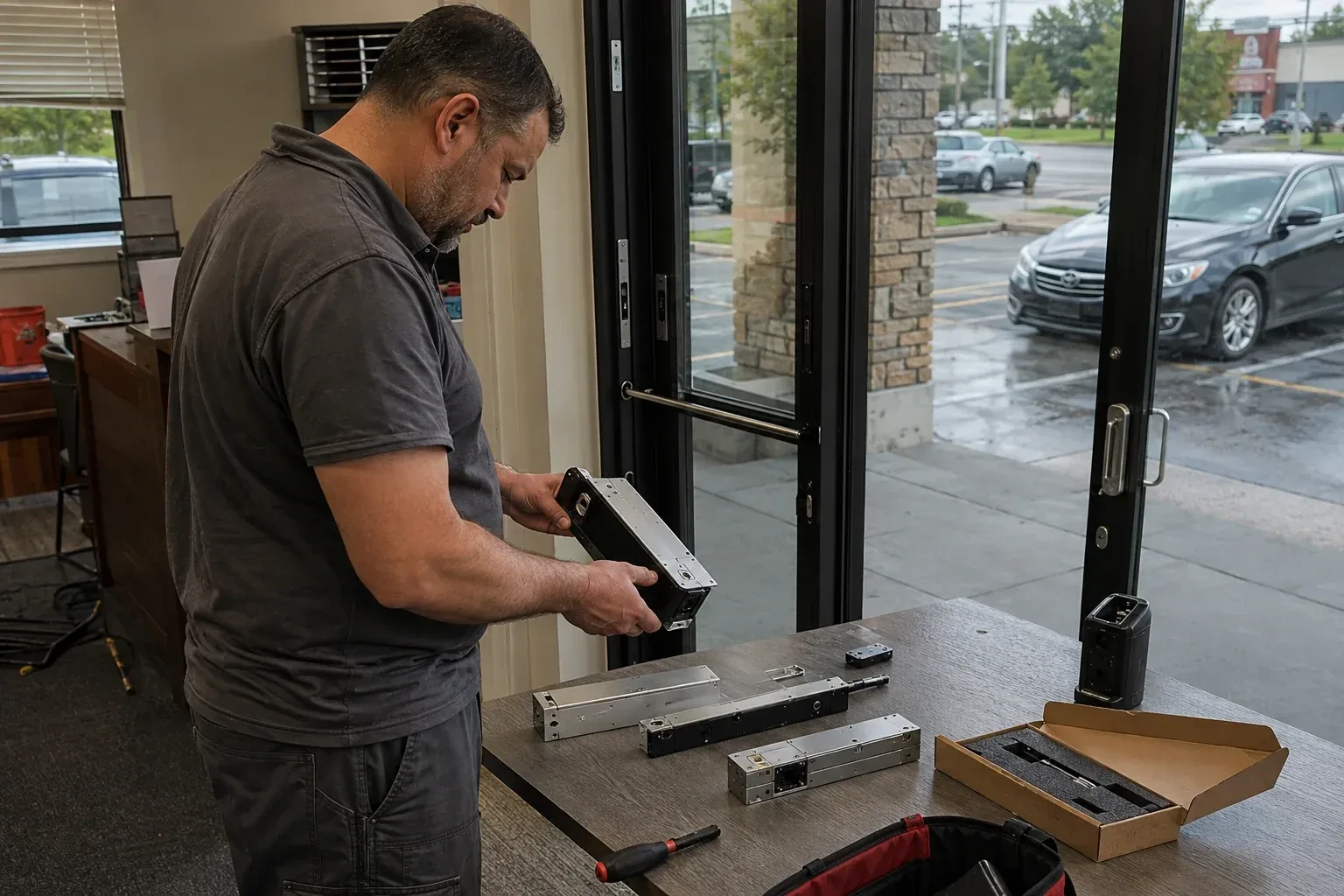
Storefront glass doors, back doors that take deliveries, and an office suite with too many keys floating around all have simple fixes. We rekey, repair closers and pivots, install exit devices where a crowd must leave in one motion, and keep your key list manageable.
After a break-in, people want two things: the door secure tonight and a sense that it will not happen again. We deal with the first on the spot, repairing the frame, replacing what was forced and rekeying every lock a stolen key might open. The second is a conversation, usually a few days later, about strike plates, longer screws, better cylinders and what the door itself can take.
Your right to be there, confirmed. For lockouts and key cutting we check identification or another proof. It is a courtesy to you and to whoever else holds a key.
Options for now and later. Sometimes the sensible move is a small fix now and a planned upgrade later. We tell you which parts are urgent and which can wait.
A clean door and clear notes. We leave the area tidy and give you a short written account of what was done and how many keys were cut.
Open 24/7, same fees any hour. Talk to us about access for your staff.
35 years in business · Ask about a spare key before you need one: (289) 806-4250
Home lockout service
Lock and key services
Every service here is something we do week in, week out, not a line added to look thorough. If you would rather talk than read, the phone number at the top goes straight to someone who can tell you whether the job is a small fix or a planned visit.
Lockout ServicesA stranger's boot print on your door changes how a house feels.
Lockout Services
A stranger's boot print on your door changes how a house feels.
Someone pushed the privacy button on the bathroom door and pulled it shut behind them, leaving the room locked and empty. The little emergency slot on the outside is stripped, and the tiny release key that came with the handle disappeared…
The heavy glass door has been scraping the threshold for weeks. This morning the key turns, you can hear the bolt trying to move, but it is jammed hard in the strike and the door stays shut no matter how the handle is pulled.
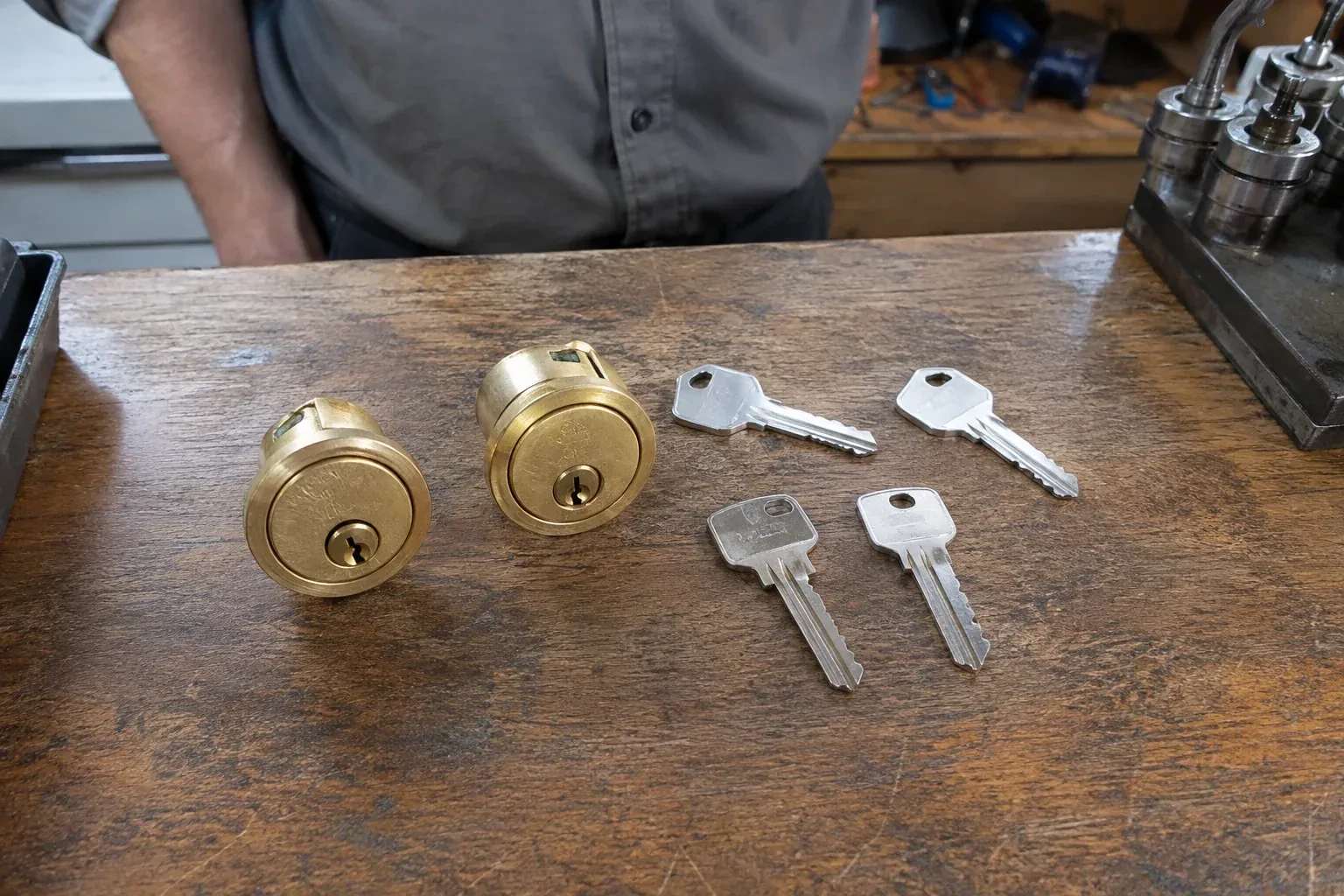
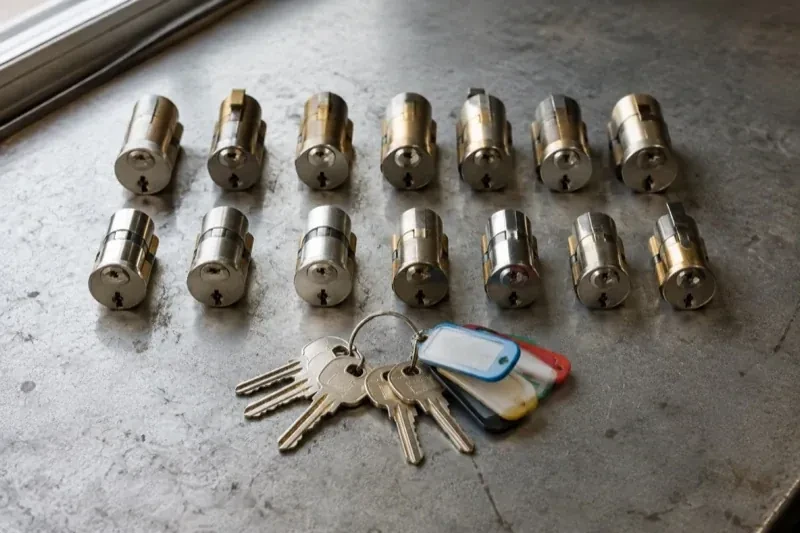
For homes, high security usually means a graded deadbolt, a patented cylinder and long screws into the frame. For businesses it adds laboratory-rated cylinders, heavy lock bodies and a key register. Both start with a conversation about what the door protects.
The restricted keys you bought years ago are no longer restricted; the locksmith mentioned the patent has run out and blanks are sold openly. Your key control quietly stopped being control.
The century home's original mortise lock takes a key the size of a spoon, sticks in humid weather and has worn its strike to a groove. You want a lock that works every day without giving up the old door.
They did not get in. The attempt left a screwdriver gouge in the door edge, a strike plate bent outward and a deadbolt that now needs a shove to throw.
High Security Locks. The restricted keys you bought years ago are no longer restricted; the locksmith mentioned the patent has run out and blanks are sold openly.
When staff change, the keys should change. That sounds obvious and is often skipped. Commercial rekeying is the routine way to keep a business's keys matched to the people who currently work there, and here we describe how it is scheduled and recorded.
Mechanical and electronic safe locks call for genuinely different work. A mechanical dial is opened by manipulation or decoding, reading resistance through the spindle as the wheel pack lines up one wheel at a time.
If The key goes in but will not turn on cold mornings.
Then Clean and lubricate the cylinder.
Moisture and old grease thicken below freezing; a cold-rated lubricant keeps the pins moving.
If The door latches fine in summer and refuses to in winter.
Then Adjust the strike and hinges for seasonal movement.
Frames shift with freeze-thaw; a strike set for the cold months keeps the door locking year round.
If The lock on the side door is frozen solid.
Then Thaw it properly, then seal against water getting in.
Forcing a frozen cylinder snaps keys; gentle heat frees it, and a weather cover keeps the water out afterwards.
Five scenes · open 24/7
How a visit goes
After a break-in, people want two things: the door secure tonight and a sense that it will not happen again. We deal with the first on the spot, repairing the frame, replacing what was forced and rekeying every lock a stolen key might open.
Scene 1 of 5
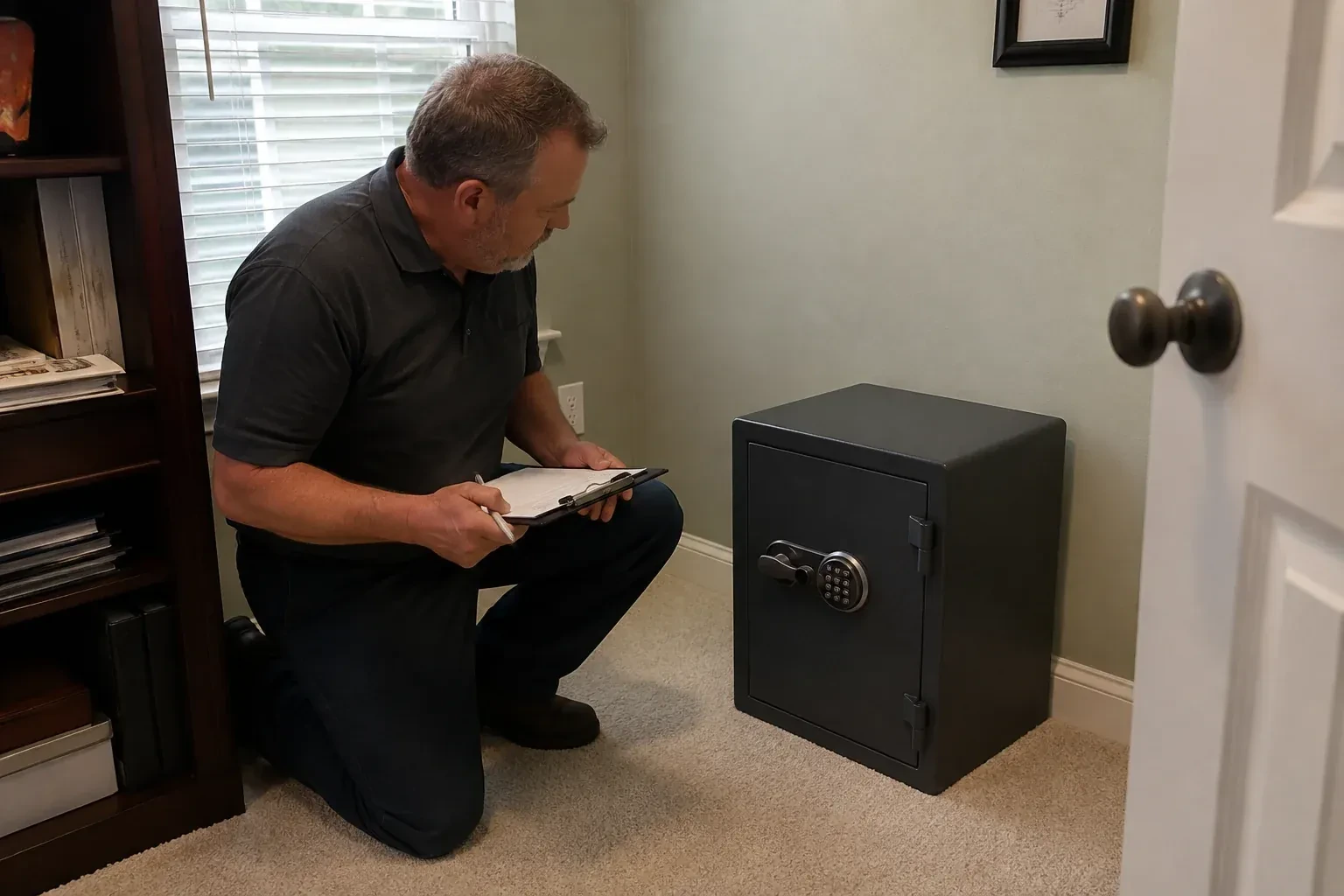
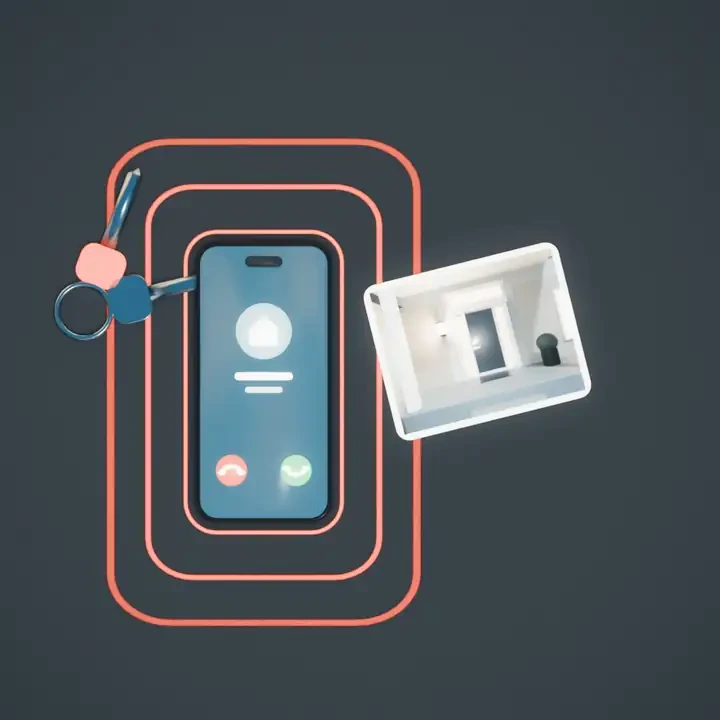
Call and describe the door
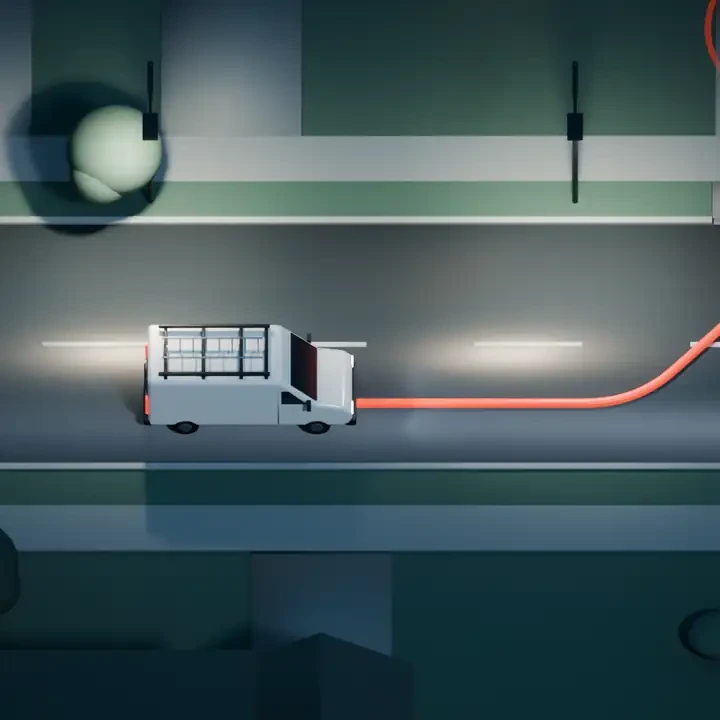
On our way
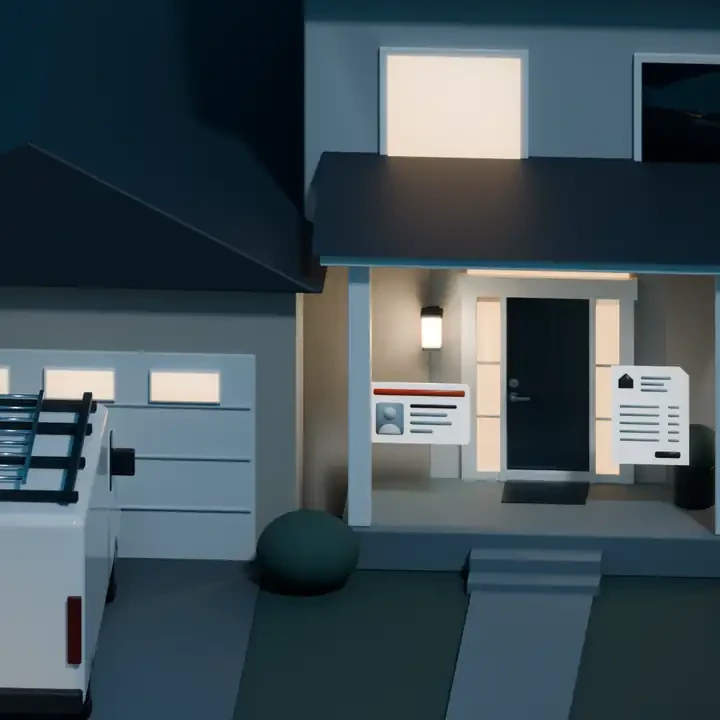
Your right to be there, confirmed
Options for now and later
A clean door and clear notes
Step 1 of 5
Call and describe the door
Describe the property, the hardware and what has changed, and the visit starts from what you have seen.
Step 2 of 5
On our way
Together we list the doors, then decide who should open everything, who should open a floor and who should open one room. That structure becomes the keying chart.
Step 3 of 5
Your right to be there, confirmed
For lockouts and key cutting we check identification or another proof. It is a courtesy to you and to whoever else holds a key.
Step 4 of 5
Options for now and later
Sometimes the sensible move is a small fix now and a planned upgrade later. We tell you which parts are urgent and which can wait.
Step 5 of 5
A clean door and clear notes
We leave the area tidy and give you a short written account of what was done and how many keys were cut.
About 58% of homes in Toronto were built in 1980 or earlier, according to the 2021 Census.Where most homes were built decades ago, doors often still carry their original mortise locks and brass knobs. That hardware can usually be cleaned, re-sprung and kept in service, with a modern deadbolt added above it for strength without losing the look.
Single-detached houses make up about 23% of homes in Toronto (2021 Census).In a building, a lockout happens in a hallway rather than a porch, and the neighbours notice. A locksmith confirms you belong to the suite, opens the door with the least fuss the lock allows, and leaves the door and cylinder intact for the night.
Agincourt Locksmith Pros(289) 806-4250 · open 24/7
I rent. Can I have a deadbolt installed on my unit door?
You can, with a conversation first. Tenancy rules in this province expect a tenant to have the landlord's consent before changing locks and expect the landlord to hold a key, so ask in writing and share the plan. Many landlords welcome a proper bolt. The locksmith can key the new cylinder to the building's existing key where the keyway allows, and leave a note of the model and keys cut for the building manager.
Can a deadbolt be added to a door that only has a knob?
Yes, on nearly any wood, steel-clad or fibreglass entry door. The locksmith marks a spot above the knob, clamps a jig to the door and bores a cross hole through the face and a smaller hole through the edge, then cuts a pocket and fits a strike on the frame. The main things checked first are the door's thickness, what is inside it at that height and whether glass sits close by.
How long does a deadbolt installation take?
A replacement into existing holes is generally the shorter visit, and boring a fresh door with a new strike takes longer, roughly an hour or two per door including the frame work and testing. Steel doors, keying alike, frame repairs after a forced entry and fitting a jamb reinforcer each add time. The locksmith can give a realistic estimate once the door and frame have been looked at.
What should I do when a controlled key is lost?
Tell your locksmith so the register is updated, then decide together what the loss means. If the key was lost with nothing identifying your address, the practical risk is low and many people simply strike it off. If it went missing with identification or from a known person, the affected cylinders can be repinned so that key stops working while the rest of the system continues. Because the keyway is controlled, you know that no further copies exist.